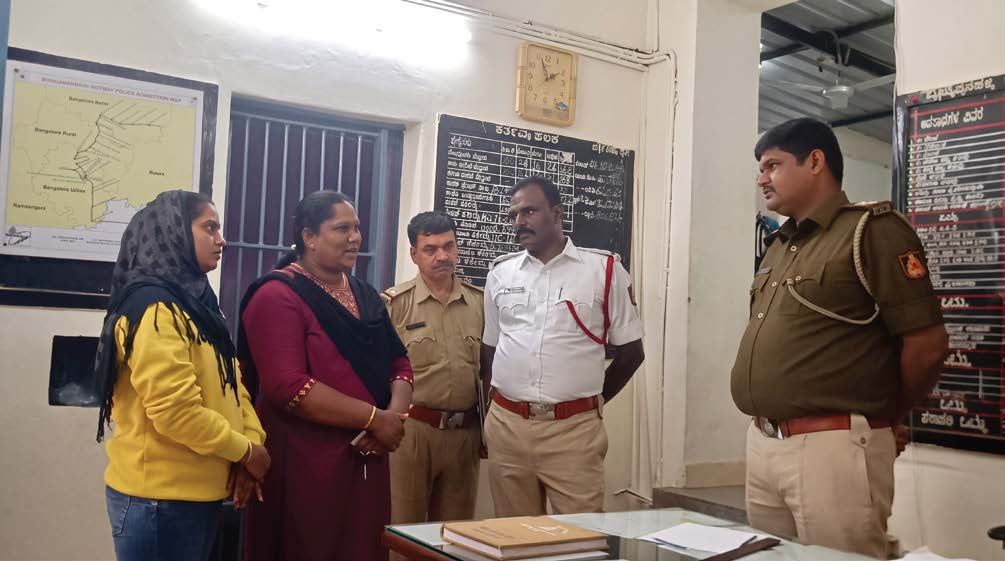
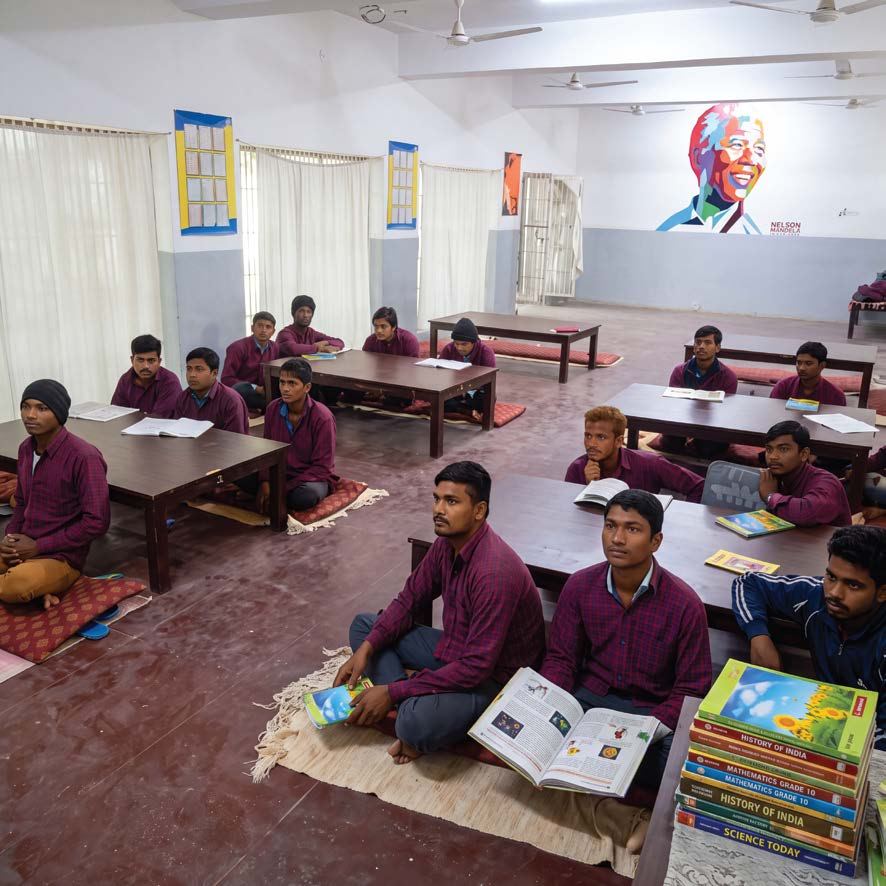
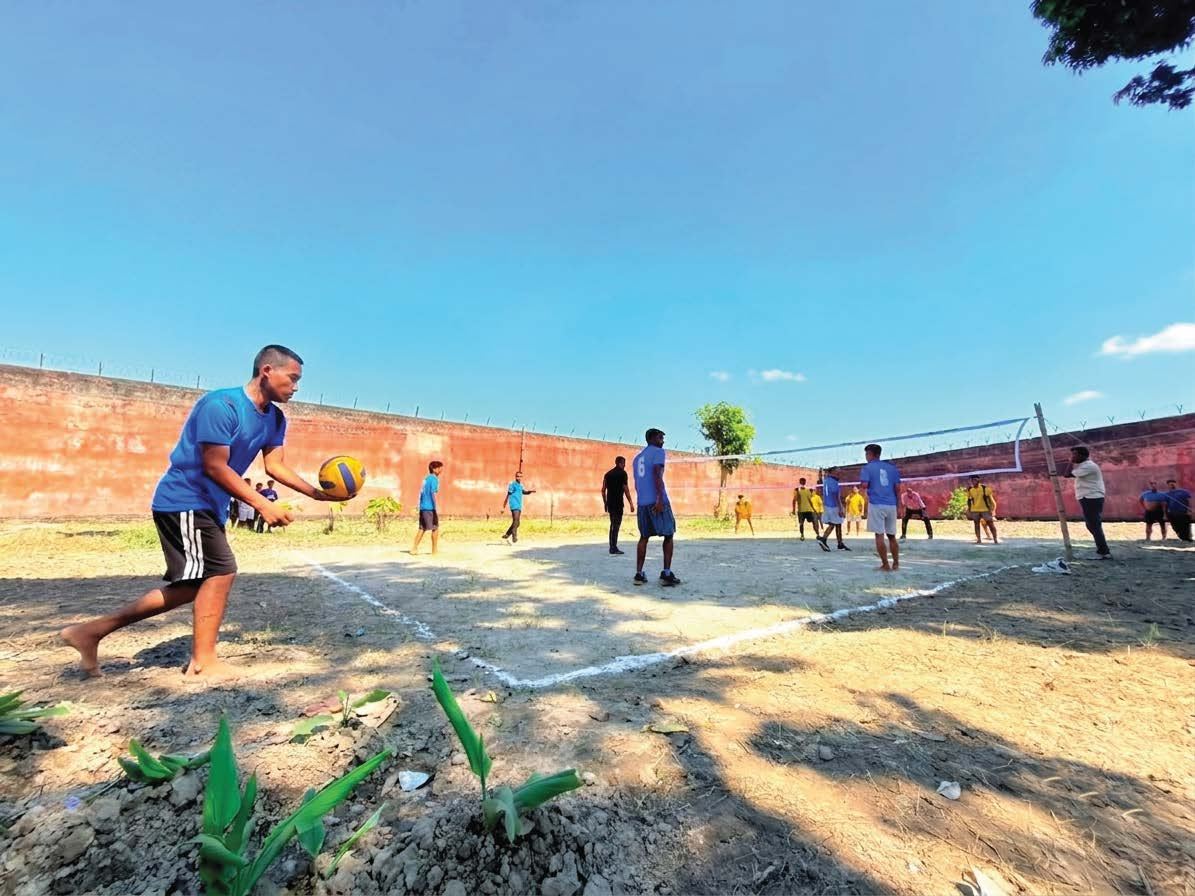
Lawyers and researchers working inside Assam’s prisons on appeals, mental health, poetry and sport.
Studio Nilima has helped develop a compensation framework for custodial deaths and helped establish Mental Health Review Boards across Assam.

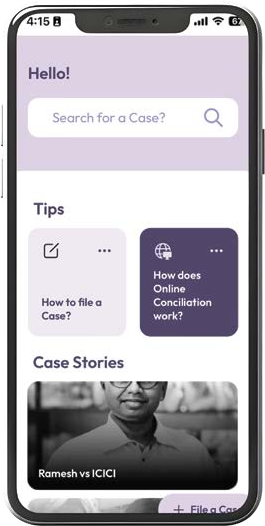
Agami brought courts, regulators and business together to settle disputes online, affordably and at scale.
30 million disputes worth ~₹960 billion (about US$10 billion) have moved through public and private ODR mechanisms in India.

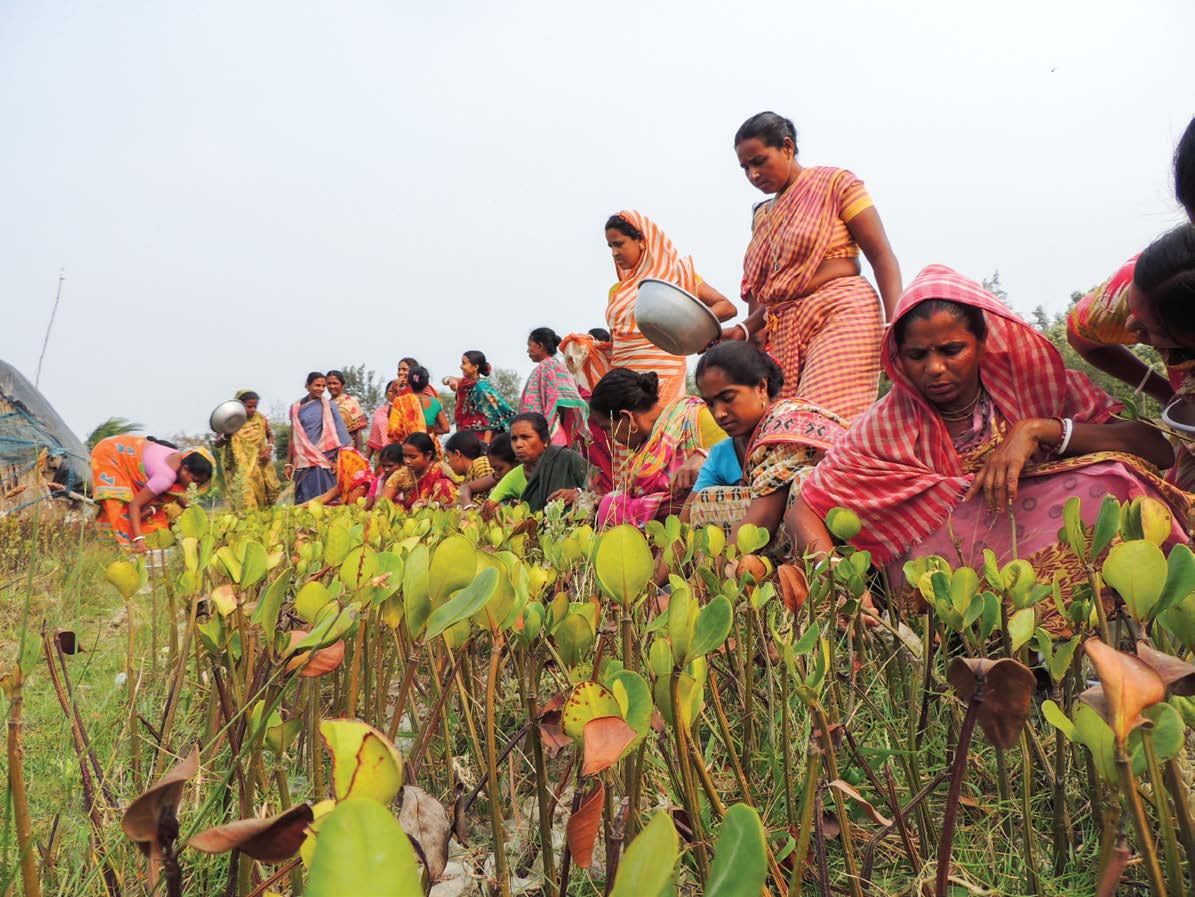
Putting the communities closest to the land at the centre of conservation, from the Sundarbans to the Himalayas.
In the Sundarbans, Prameya has so far planted 600,000 mangrove saplings, restored 5 acres of mangrove ecosystem and brought another 45 acres under community stewardship in Jharkhali.

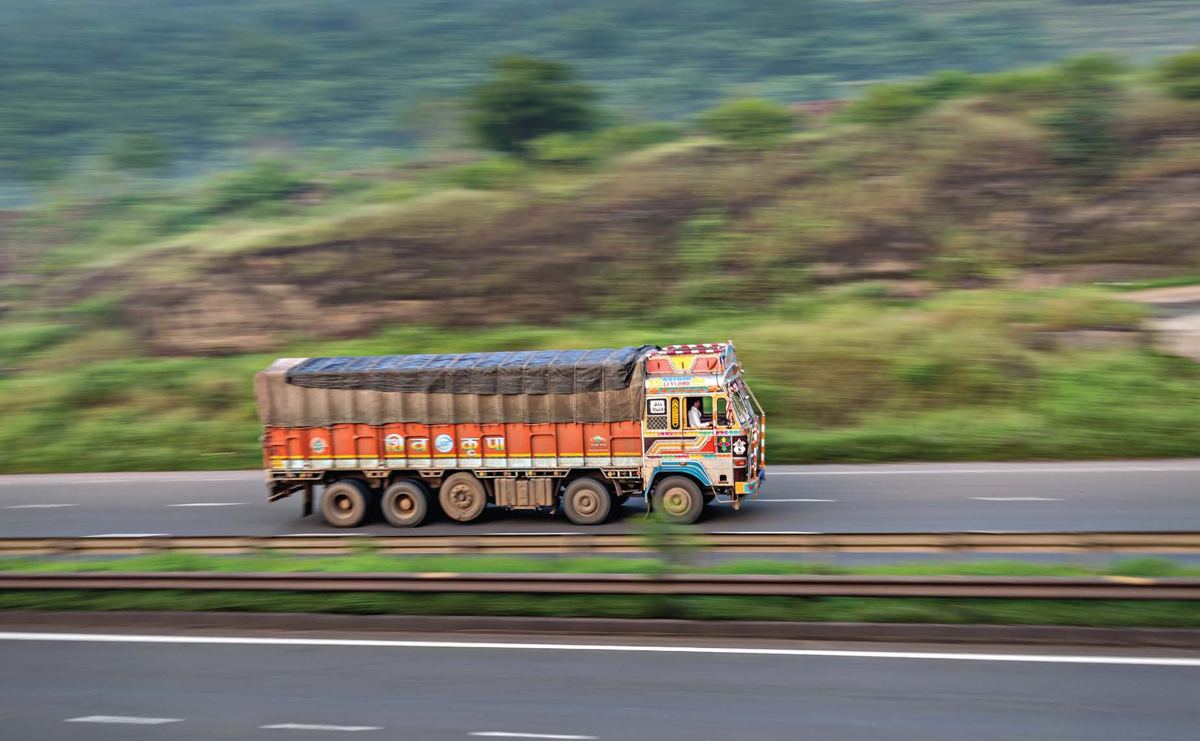
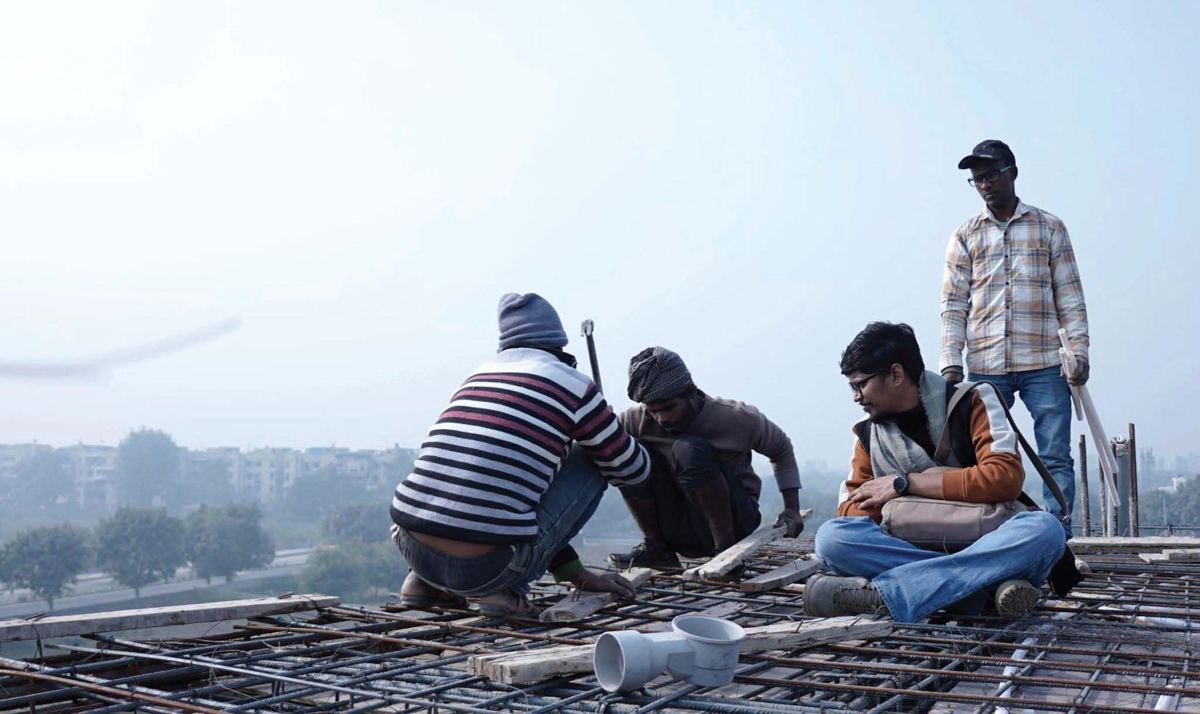
Roadside legal help for truck drivers, one call away, from 80,000+ lawyers covering 98% of India’s PIN codes.
Lawyered has resolved 400,000 matters, 25% of them settled at the roadside itself.

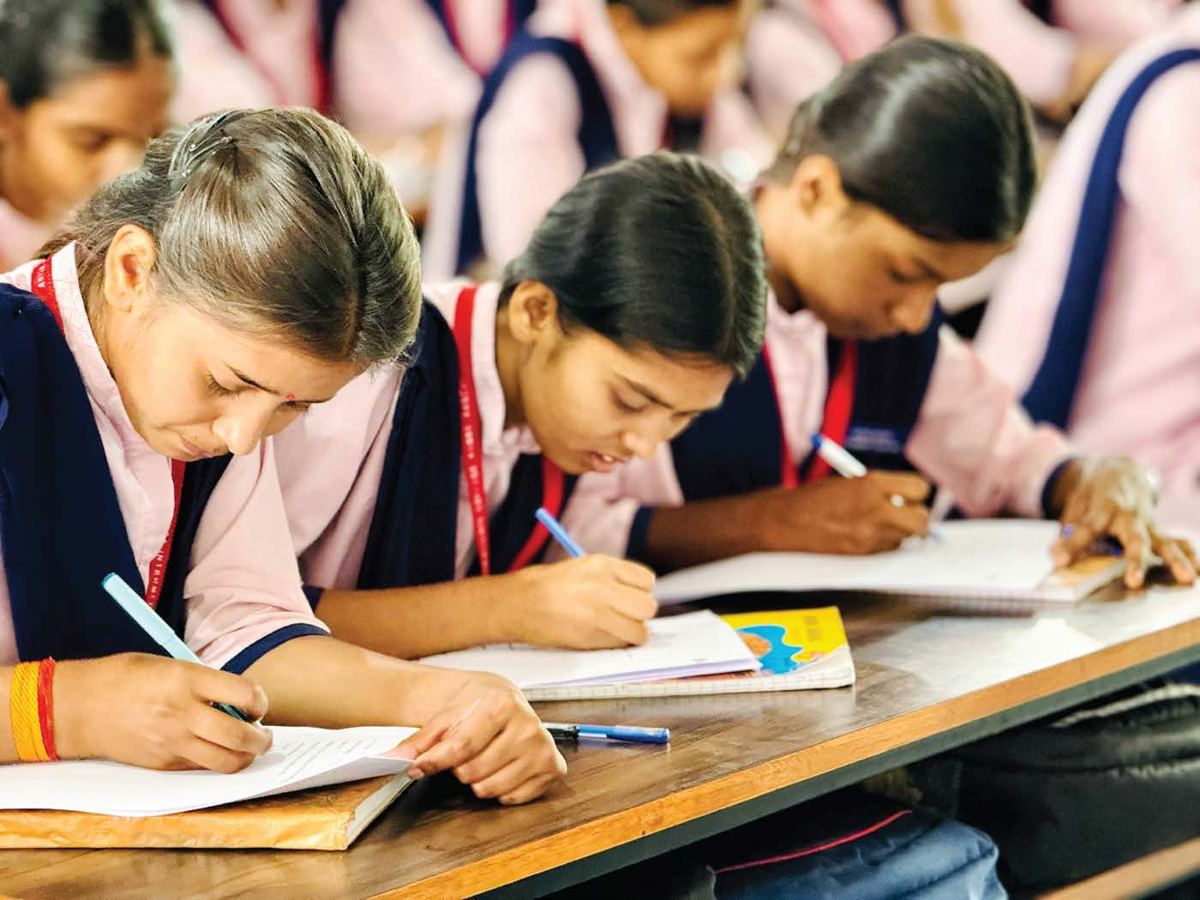
Two years of fully funded residential schooling that prepares village students for India’s National Law Universities.
NLSP now reaches more than 6,000 villages across 150 districts and has put scholars into all ten of India’s top law universities.

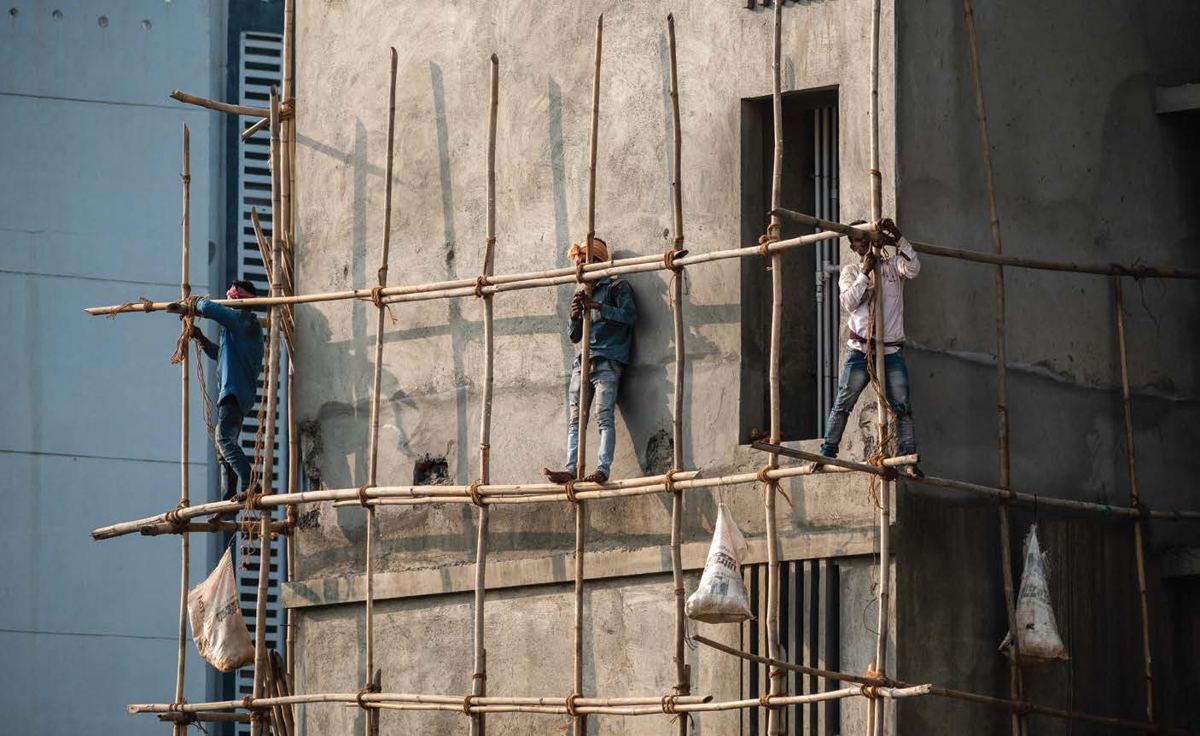
A phone helpline that puts experienced help behind informal workers trying to recover unpaid wages.
Aajeevika Bureau’s LEAD Cell has recovered more than ₹1 billion (about US$10.5 million) in unpaid wages.

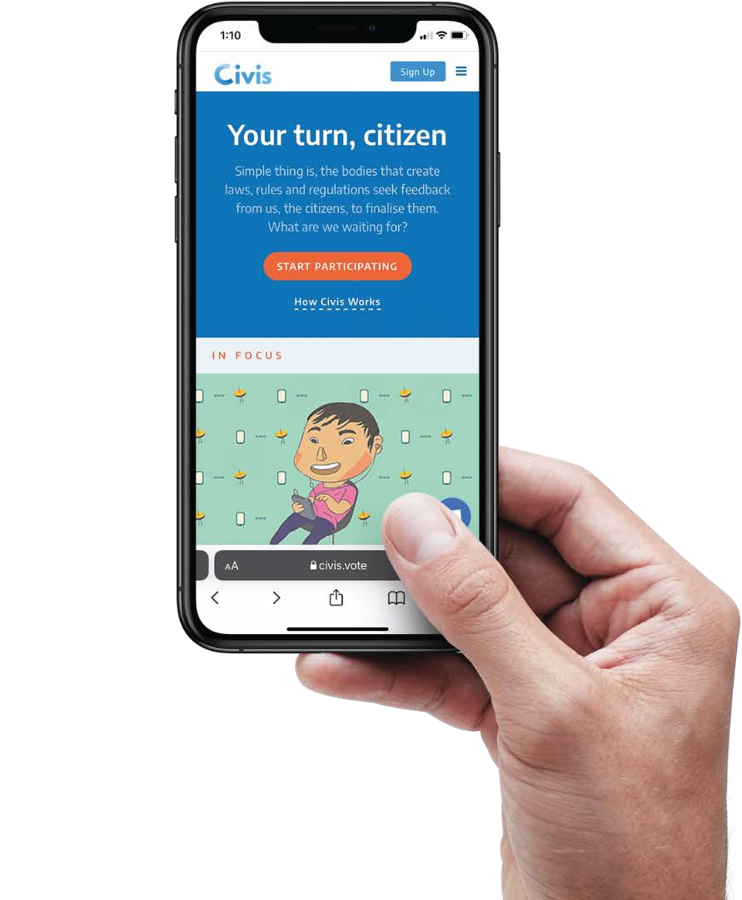
Making draft laws readable for citizens, and carrying their feedback back to the officials writing them.
Civis has facilitated citizen feedback on more than 1,300 central and state laws.
A free search engine for India’s laws and judgments, built since 2008 without any external funding.
5 million people access judicial data on Indian Kanoon every month.

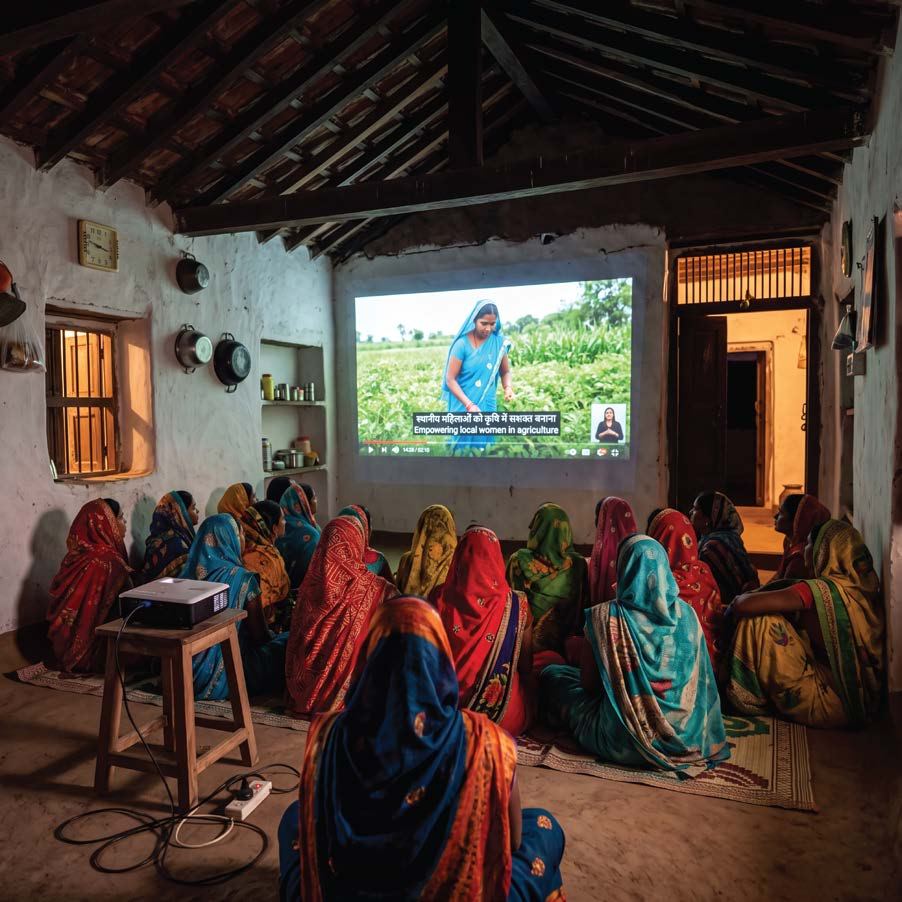
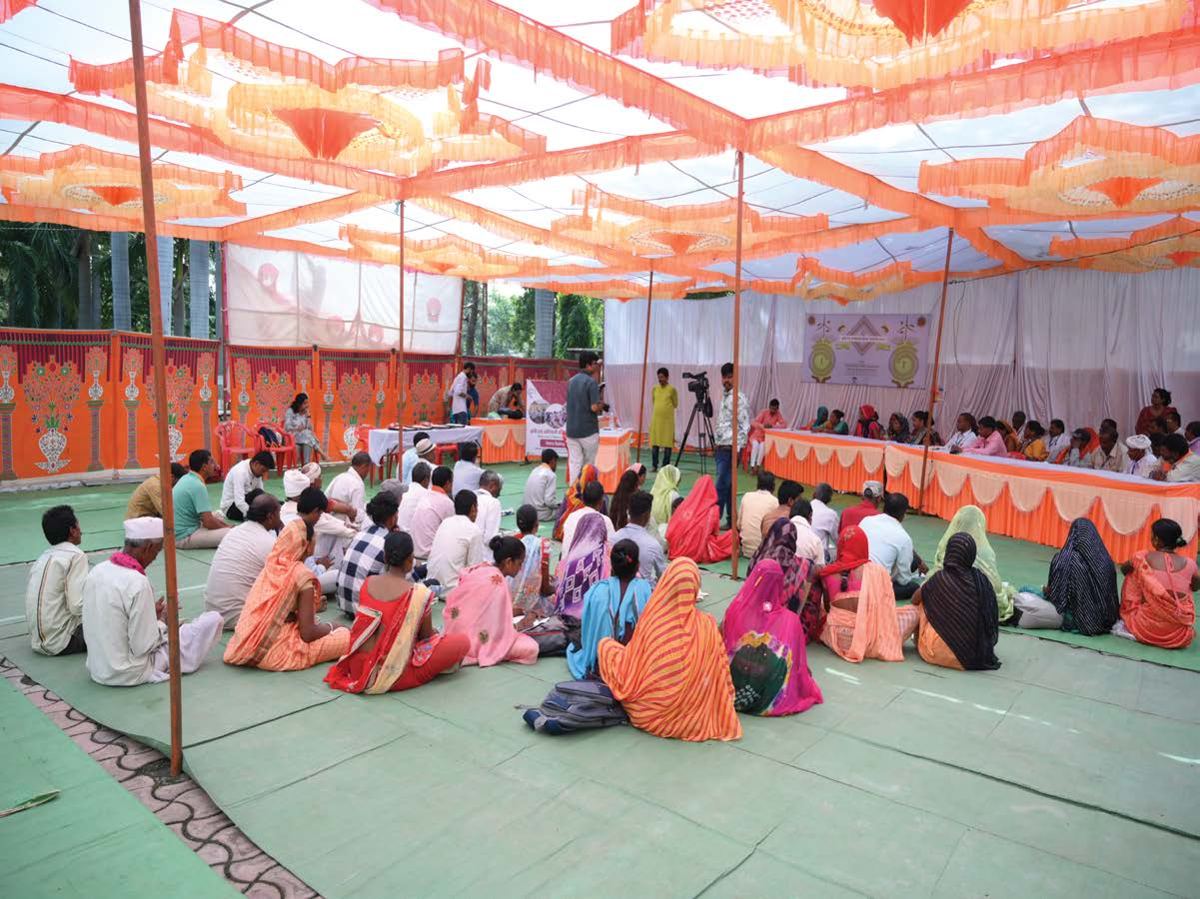
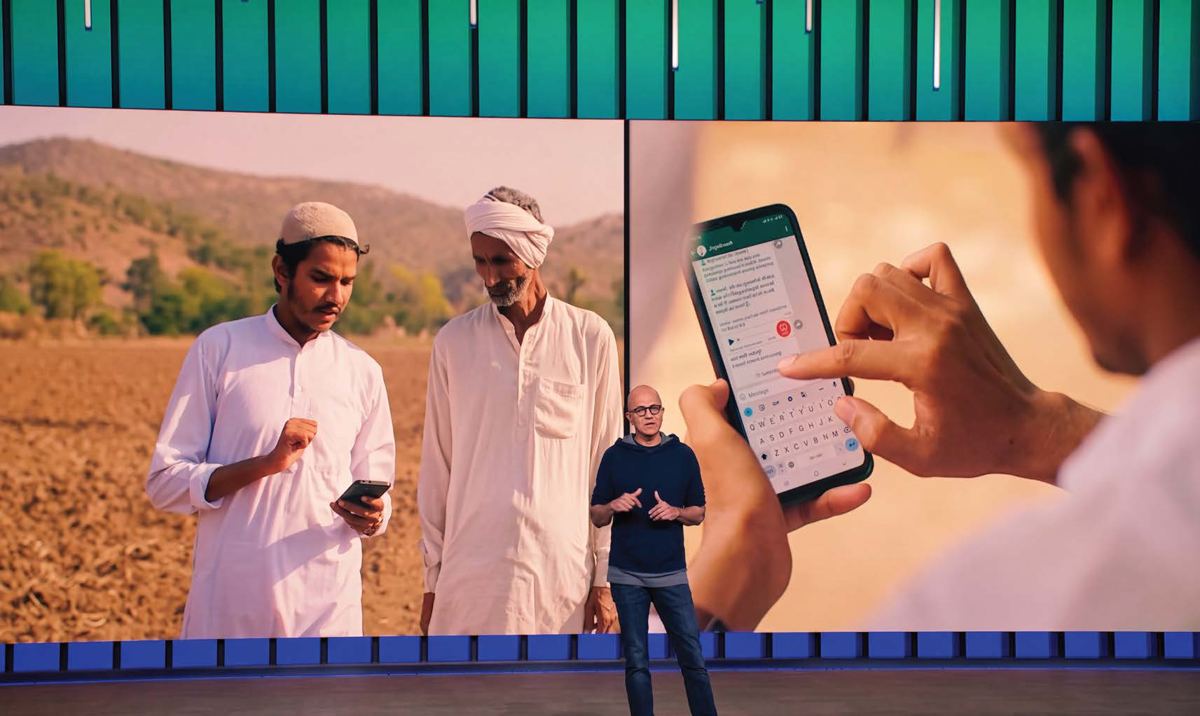
Young Adivasis in Nandurbar report the news from the hills on basic phones, in their own languages.
A bridge stalled for years was finally sanctioned. New water connections arrived. The ration shop reverted to a fair price.

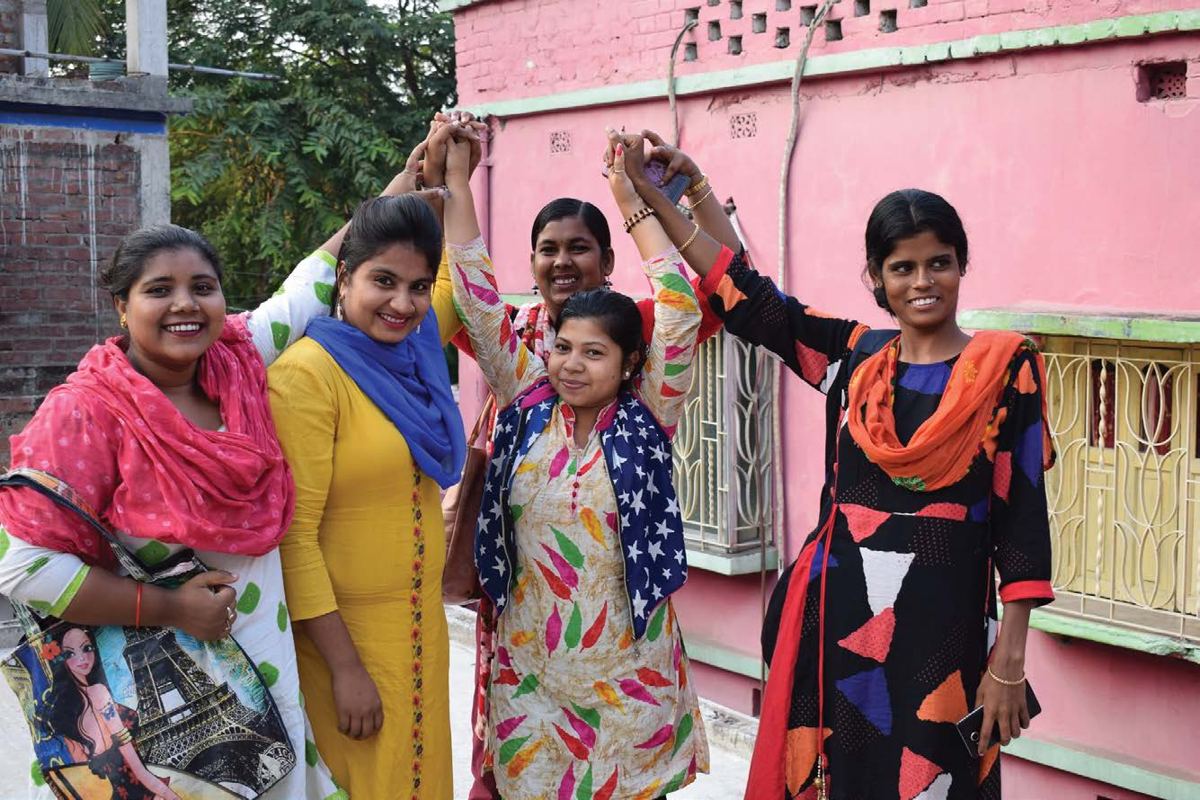
A federation of 2,800+ survivors across seven states, helping each other claim compensation, justice and their lives back.
ILFAT is influencing central and state policy on combating trafficking.

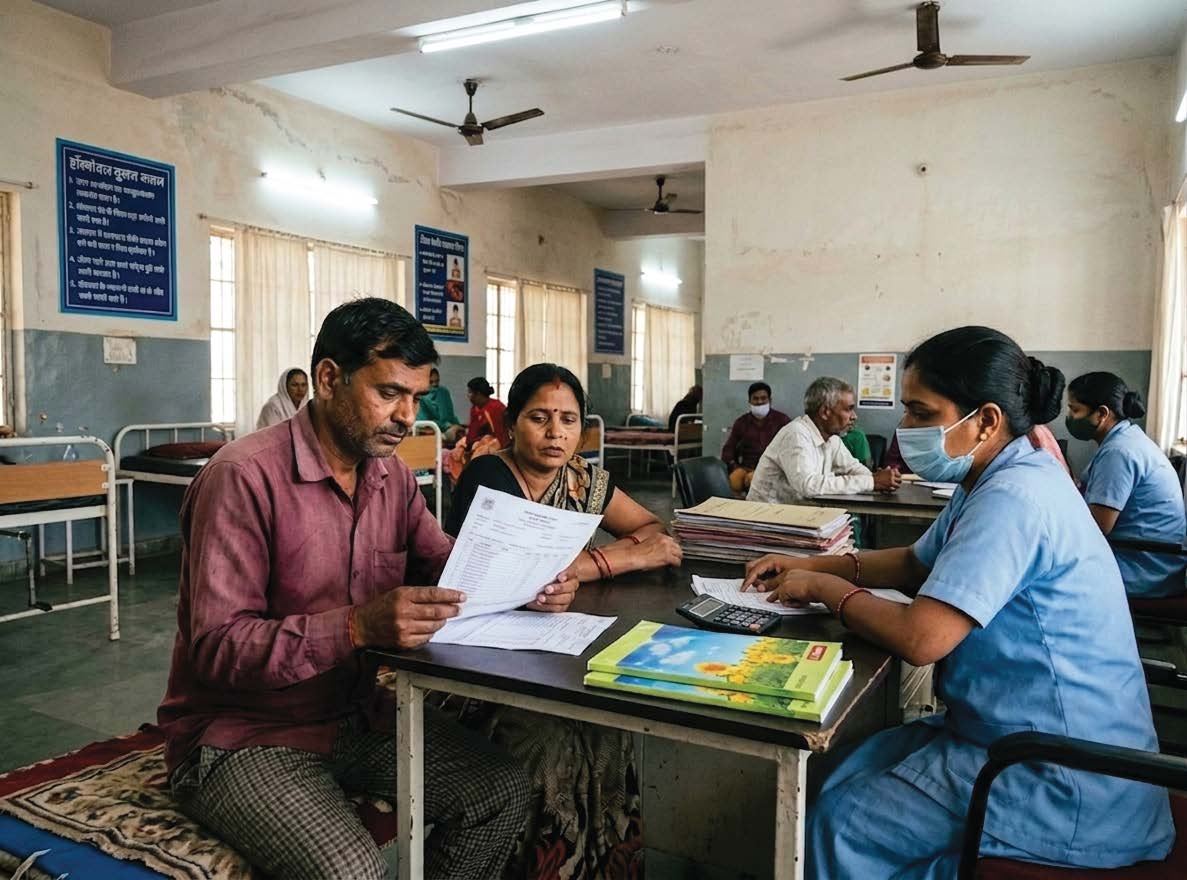
Reviewing rejected claims, finding grounds to challenge them, and guiding policyholders through the grievance process.
Insurance Samadhan has resolved more than 23,000 cases and recovered over ₹2.7 billion (about US$28 million) in claims for policyholders.

Training people from underserved communities as Nyaaya Mitras who give first-point legal help where they live.
OutLawed partnered with the Karnataka State Legal Services Authority in 2026 to train more than 3,000 paralegal volunteers across 30 districts in Karnataka.

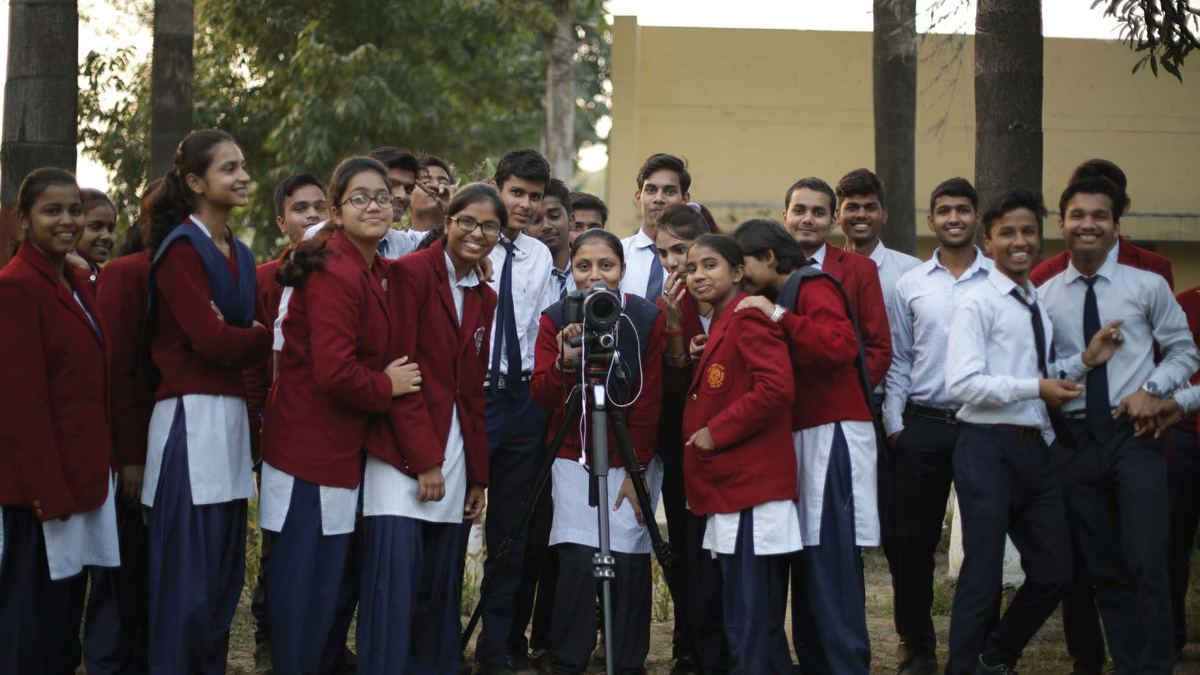
1,000+ law student volunteers finding underprivileged students and coaching them free for law entrance exams.
IDIA has reached 280,000+ students from disadvantaged backgrounds and enabled 284 scholars – including 47 with disabilities – to enter the leading law schools.

Working with governments in 20 states so welfare reaches citizens at the moments they need it.
Indus Action has provided 3.3 million citizens access to entitlements worth ₹29.8 billion (about US$314 million).
Teaching children to recognise and name abuse, and walking survivors through police, hospital and court.
Enfold has drafted child protection policies and juvenile justice rules for two states and contributed to school textbooks reaching 3.7 million students.

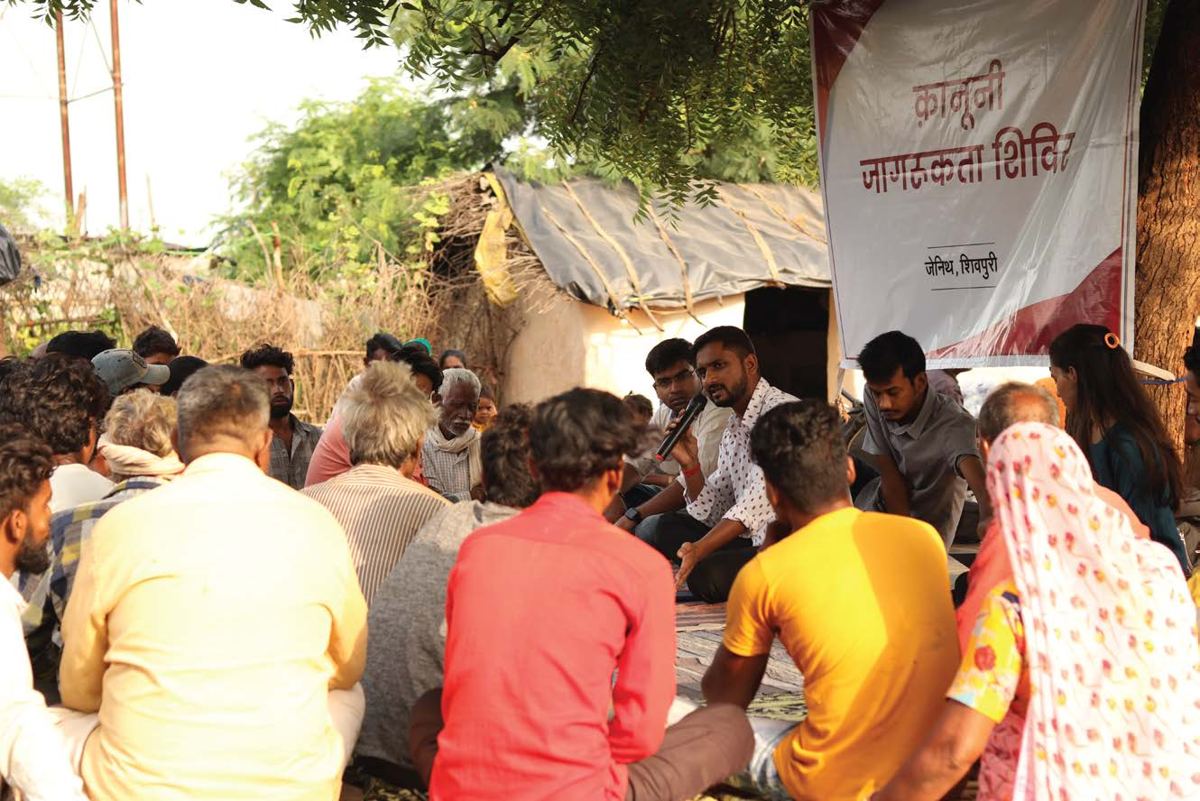
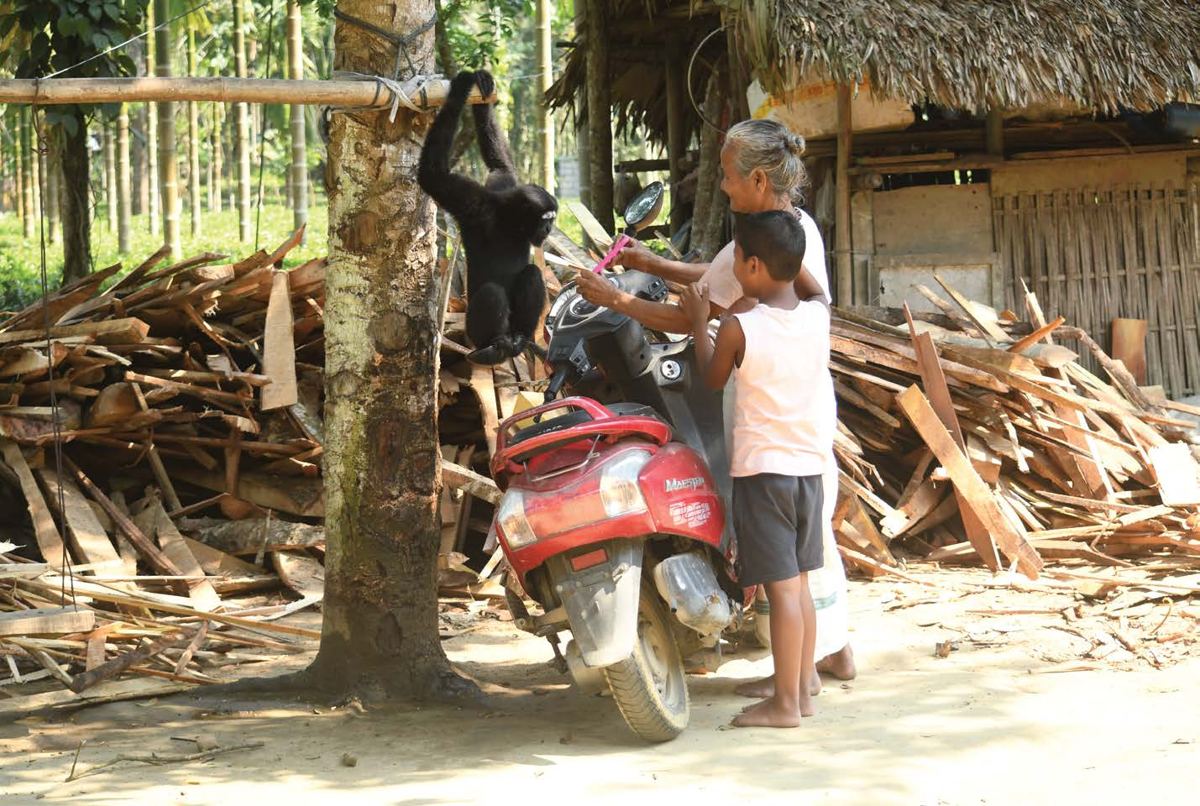
Giving displaced Sahariya Adivasi communities the legal knowledge to claim land, forest and welfare rights.
Zenith’s workers’ rights centre supported more than 9,300 welfare claims between 2021 and 2025, unlocking benefits worth more than ₹78 million (about US$820,000).

A platform for law students to take up live ecological conflicts and bring rivers, forests and animals into the law.
Bringing legal and ecological systems to work together towards one common goal – the flourishing of all life.

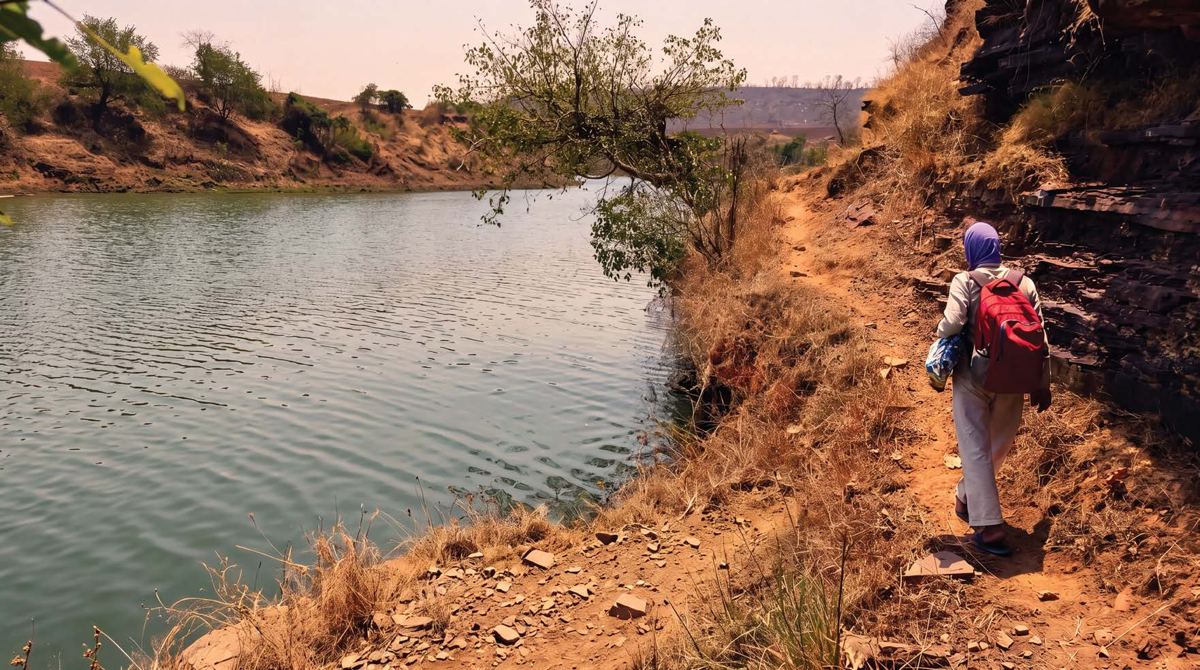
Founder Siddharth Agarwal walked all 3,000 km of the Ganga, recording the river and the lives along its banks.
Veditum’s walks have crossed more than 6,000 kilometres of India’s rivers.

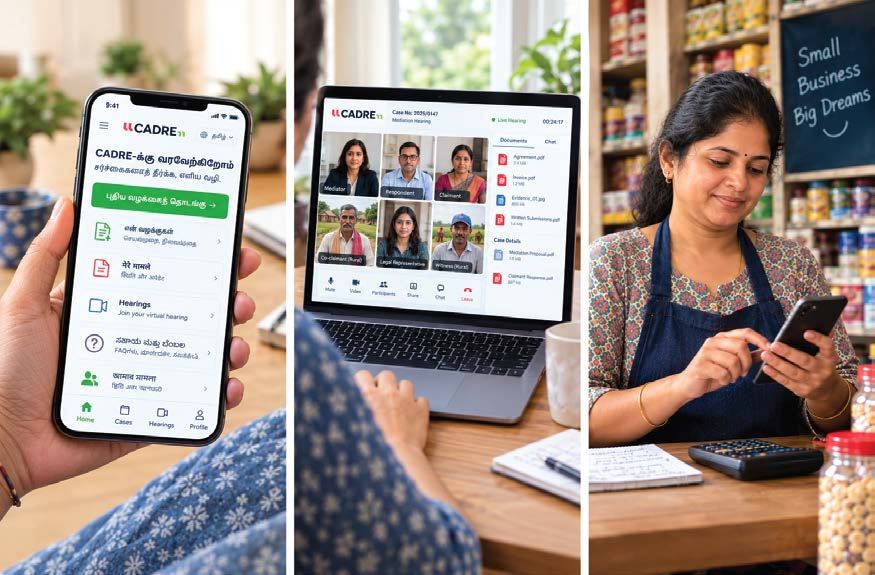
Legally binding online arbitration and mediation that settles in weeks what courts take years to resolve.
CADRE has resolved disputes worth ₹31 billion (about US$326 million).

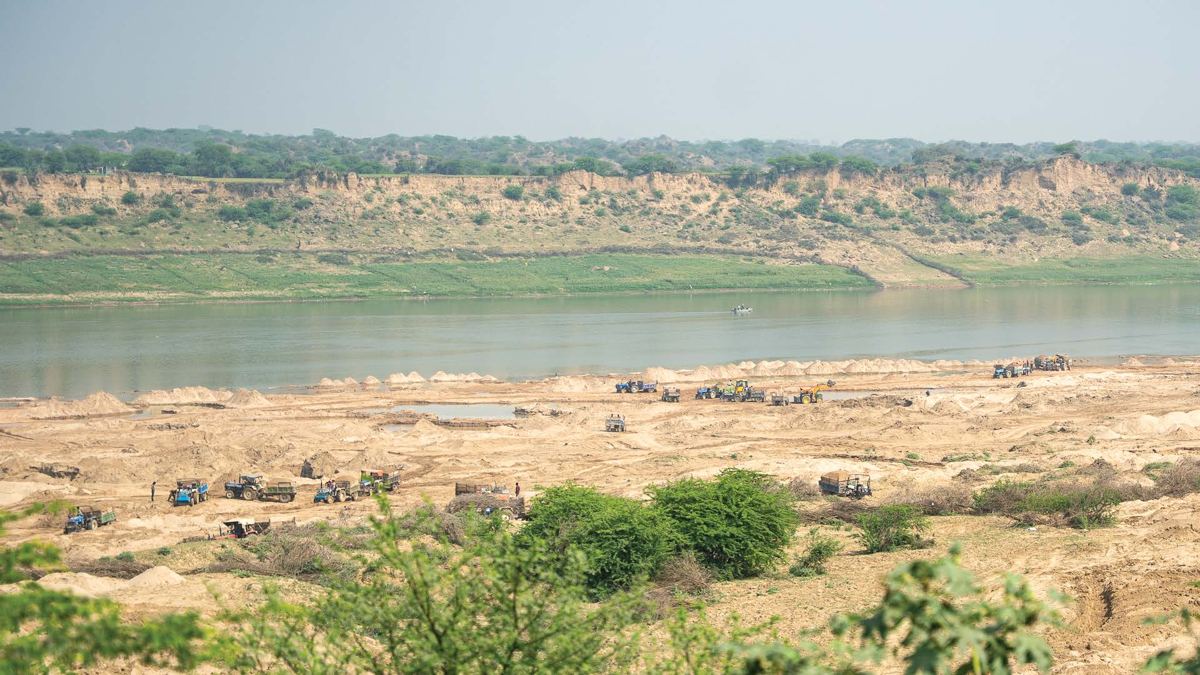
An open, citizen-built data platform documenting illegal sand mining for journalists, researchers and courts.
India Sand Watch now has more than 3,000 crowdsourced entries and has been credited in several active court cases.

Fellows who have lived through prison design reform models and hand them to the prison system to run.
25 Fellows have incubated 7 such models reaching more than 15,000 incarcerated people.

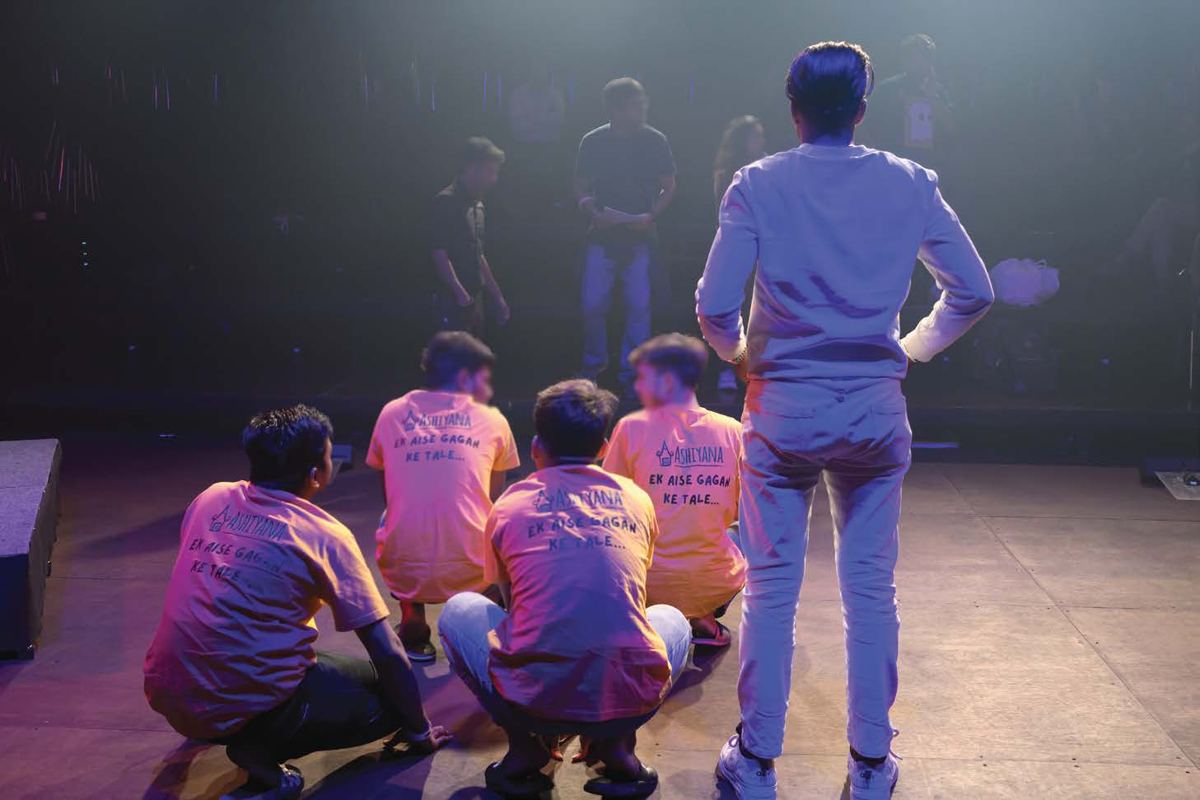
Mental health support, restorative circles, education, aftercare and theatre for children in care institutions.
Ashiyana’s mental health support, restorative circles, education and aftercare have reached more than 12,000 children.
Three decades of Nirantar’s work on gender, sexuality and violence, made digital for rural and urban India.
Much of it is made with those communities rather than about them.

Deliberations, tools and spaces that bring different disciplines and lived experiences into one conversation.
Over six years, Socratus has run this method on food systems, climate, rural livelihoods, and the relationship between people and the living world.
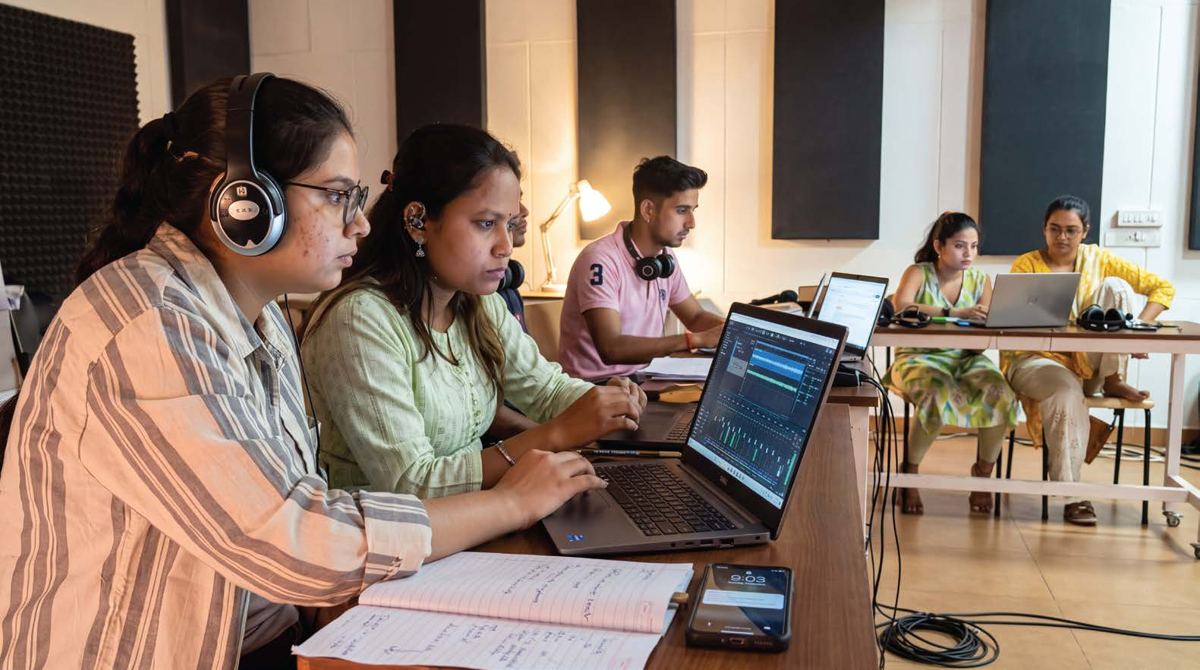
Live multilingual transcription and instant exhibits, so legal teams work the case instead of the logistics.
“What sets TERES apart is a rare combination of deep legal understanding and technical excellence, applied with a clear sense of responsibility.”
— Justice (Retd.) A K Sikri, Supreme Court of India

AI and Agami’s 4,000+ innovators tackling language gaps, limited expertise and last-mile access to justice.
OpenNyAI is listed as one of India’s top AI initiatives in the India AI Report 2026.
150+ mentors from top law firms and new legal fields guiding students from non-elite law schools.
LFR has made 10,000+ law students from across 700+ law schools law-firm-ready.

A fully digital cheque-bounce court in Kollam, Kerala, rebuilt from the ground up around the people who use it.
In Kollam’s ON Court, the time to dispose of a cheque-bounce case has fallen from two years to about eight months.

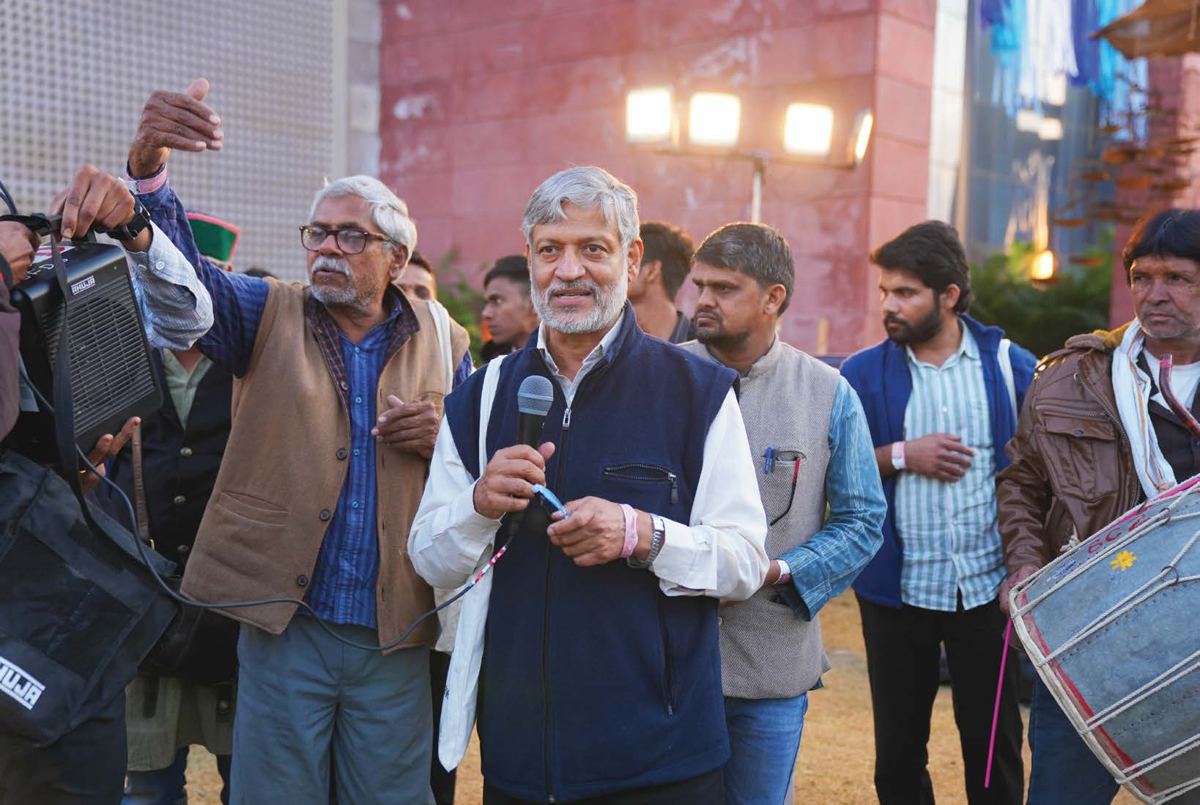
A citizens’ movement across Rajasthan demanding time-bound services and grievance redressal as a legal right.
Two Jawabdehi Yatras across all 33 districts of Rajasthan gathered over 10,000 grievances and moved a state government to put a draft accountability law into the public domain.

Trained Resolutionaries take disputes from filing to a binding outcome online, with no courtroom needed.
Sama has resolved more than 3.4 million disputes in 45 days on average.